
How to Choose an Upright Walker
This page is the posture-support walker guide for shoppers deciding whether an upright walker deserves consideration at all. It should not compete with the broad rollator shortlist. Its job is to answer a different question: when is forearm support and a more open walking posture worth the extra bulk, turning tradeoffs, and fit sensitivity of an upright frame?
This section is built for shoppers balancing stability, rest breaks, and maneuverability comparing Rollator Walkers, Standard Walkers, and Upright Walkers for daily walking support at home, on errands, and during longer outings. Start with the options that match your space, support needs, and routine, then narrow by stability, seat comfort, and folded size.
Who upright walkers are actually for
Upright walkers are usually for buyers who are specifically bothered by the bent-forward feel of a standard rollator and want arm-supported walking that feels more open through the shoulders and upper back.
If you want the faster next step
Use the broader page that matches your intent
Use the category page if you still need the broader product landscape before narrowing to a shortlist.
This page is for shoppers who know they need walking support but still need a faster way to narrow which type of mobility aid deserves the next click. It solves the problem of comparing walkers, rollators, upright walkers, and scooters as if they are interchangeable. Use this shortlist to decide quickly whether the real need is maximum stability, smoother movement with seated breaks, posture-focused support, or help covering longer distances without exhausting the user.
When posture support beats a regular rollator
Posture support becomes more important when upper-body comfort is the deciding factor, not just seat access or rolling convenience. This page should help buyers judge that before they drift into broad rollator comparison pages that answer a different question.
If this did not answer the exact question
Open the next guide in the same decision path
How to Choose Upright Walkers for mobility aids shoppers. Use this guide to narrow fit, support, and space tradeoffs.
How to Choose Rollators for mobility aids shoppers. Use this guide to narrow fit, support, and space tradeoffs.
Best mobility aids for higher weight capacity for mobility aids shoppers. Filter mobility products that are better suited to shoppers who need a sturdier frame
Tradeoffs that disqualify upright models quickly
An upright frame can be bulkier, harder in tighter rooms, and less forgiving if the forearm supports are a poor fit. These are not minor details. They are the main reasons some shoppers should leave this page and compare simpler walkers instead.
Related search paths
What to compare before buying
If this guide is only one part of the decision, use these live pages with recent search activity to compare models, product types, and buyer-fit details without starting over.
Useful when the next decision is support style, portability, seat needs, or indoor/outdoor handling.
Useful when the next decision is support style, portability, seat needs, or indoor/outdoor handling.
Useful when the next decision is support style, portability, seat needs, or indoor/outdoor handling.
Useful when the next decision is support style, portability, seat needs, or indoor/outdoor handling.
Useful when the next decision is support style, portability, seat needs, or indoor/outdoor handling.
Useful when the next decision is support style, portability, seat needs, or indoor/outdoor handling.
Useful when the next decision is support style, portability, seat needs, or indoor/outdoor handling.
Useful when the next decision is support style, portability, seat needs, or indoor/outdoor handling.
Useful when the next decision is support style, portability, seat needs, or indoor/outdoor handling.
Useful when the next decision is support style, portability, seat needs, or indoor/outdoor handling.
Useful when the next decision is support style, portability, seat needs, or indoor/outdoor handling.
Useful when the next decision is support style, portability, seat needs, or indoor/outdoor handling.
How to tell if you really need one
If posture relief is only a vague preference and the home is tight, a standard rollator or standard walker may still be the more realistic path. Use this page to test whether the upright support style solves a real problem or just sounds appealing.
Buying guide
Use this page as the style-filter for posture-focused walkers. Compare forearm support fit, frame width, turning room, folded shape, and whether the upper-body comfort benefit is strong enough to outweigh the extra bulk. The better upright walker choice starts with the right reason for shopping the category at all.
If you are down to a narrower call
Use a comparison instead of rereading broad guidance
Compare an upright walker versus a rollator walker when posture support, rest breaks, turning ease, and outdoor comfort are all part of the decision.
Compare a standard walker versus an upright walker when you are deciding between simpler indoor support and a more posture-focused, heavier-duty frame.
Compare an all-terrain rollator versus an everyday rollator when you are deciding how much outdoor stability, seat comfort, and portability you really need.
Recommended products
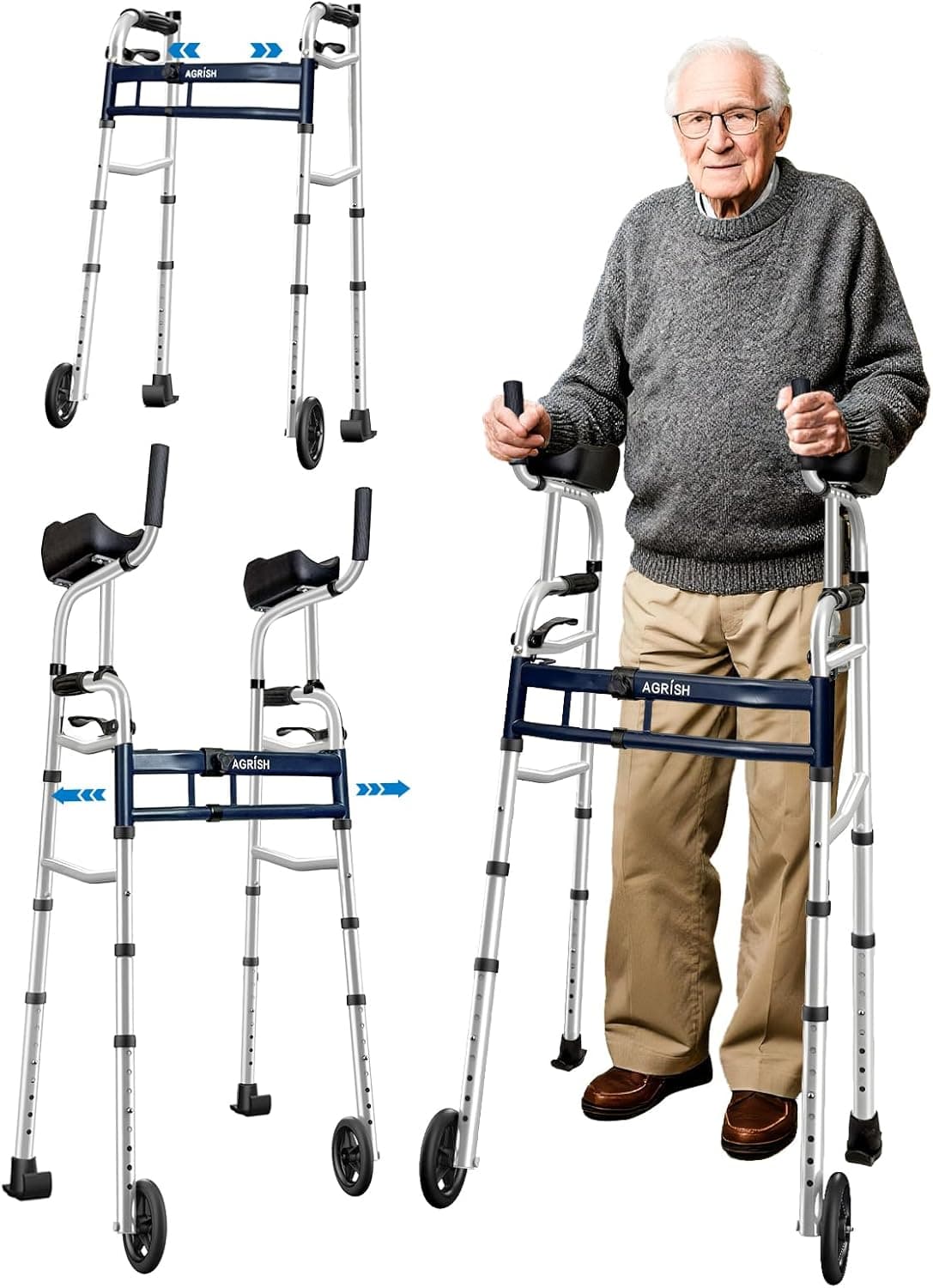
Narrow Walker Folding Upright Walker - with Removable Armrests, 450LBS Heavy Duty, Width & Height Adjustable Narrow Walkers for Seniors, Disabled, Bariatric
Heavy-duty upright walker option for bariatric users or anyone wanting forearm-style support and a narrower footprint.
- 450 lb capacity
- removable armrests
- adjustable width and height
Prices and availability can change. Check the latest Amazon listing before you buy.
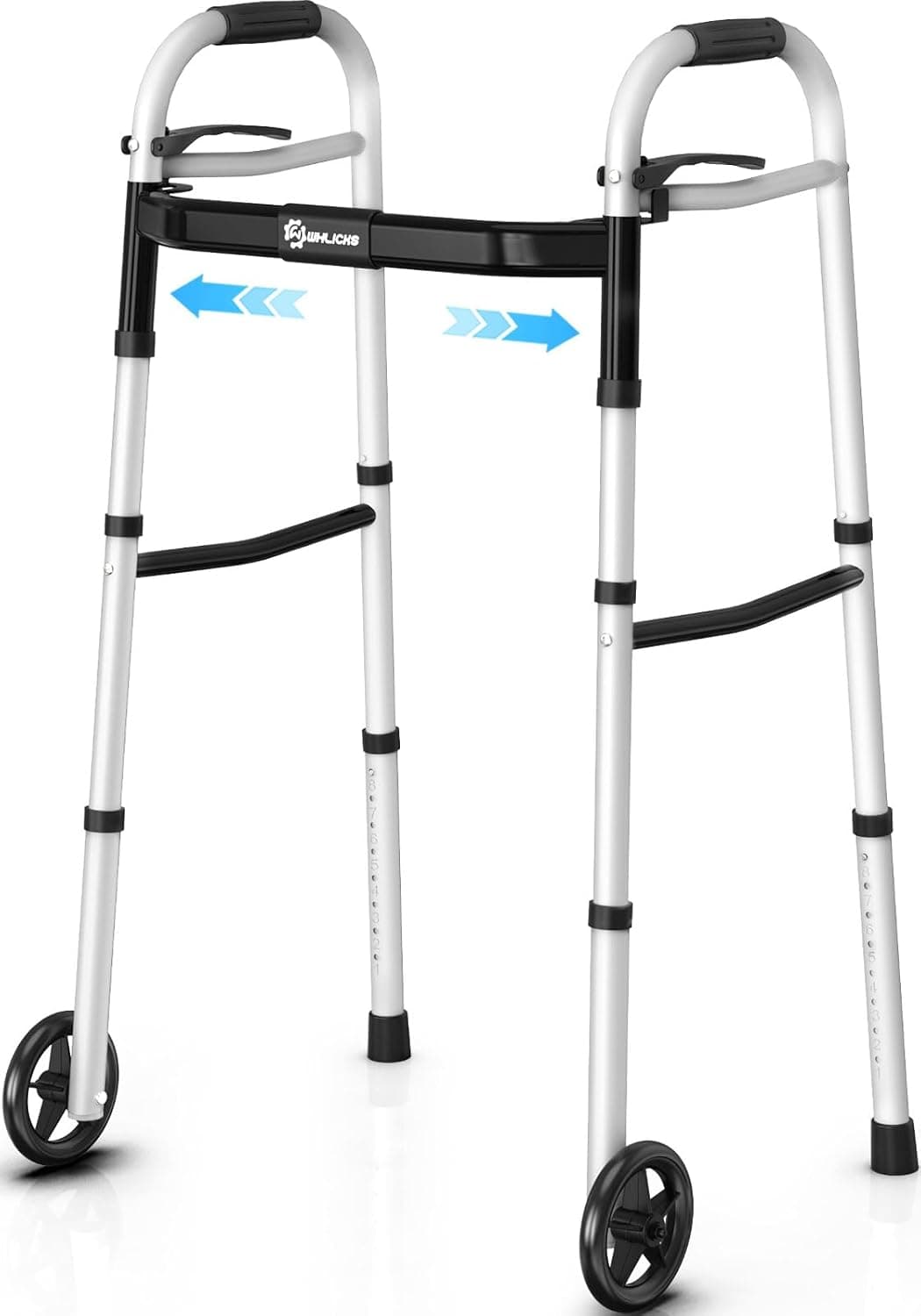
Narrow Folding Walkers for Seniors,Aluminum Lightweight Walkers with Wheels, Adjustable Width and Height Front Wheel Walker for Elderly and Disabled, Supports up to 350 lbs
Good tight-space walker for hallways, apartments, and narrower doorways where a standard walker feels too wide.
- 350 lb capacity
- narrow profile
- adjustable width and height
Prices and availability can change. Check the latest Amazon listing before you buy.
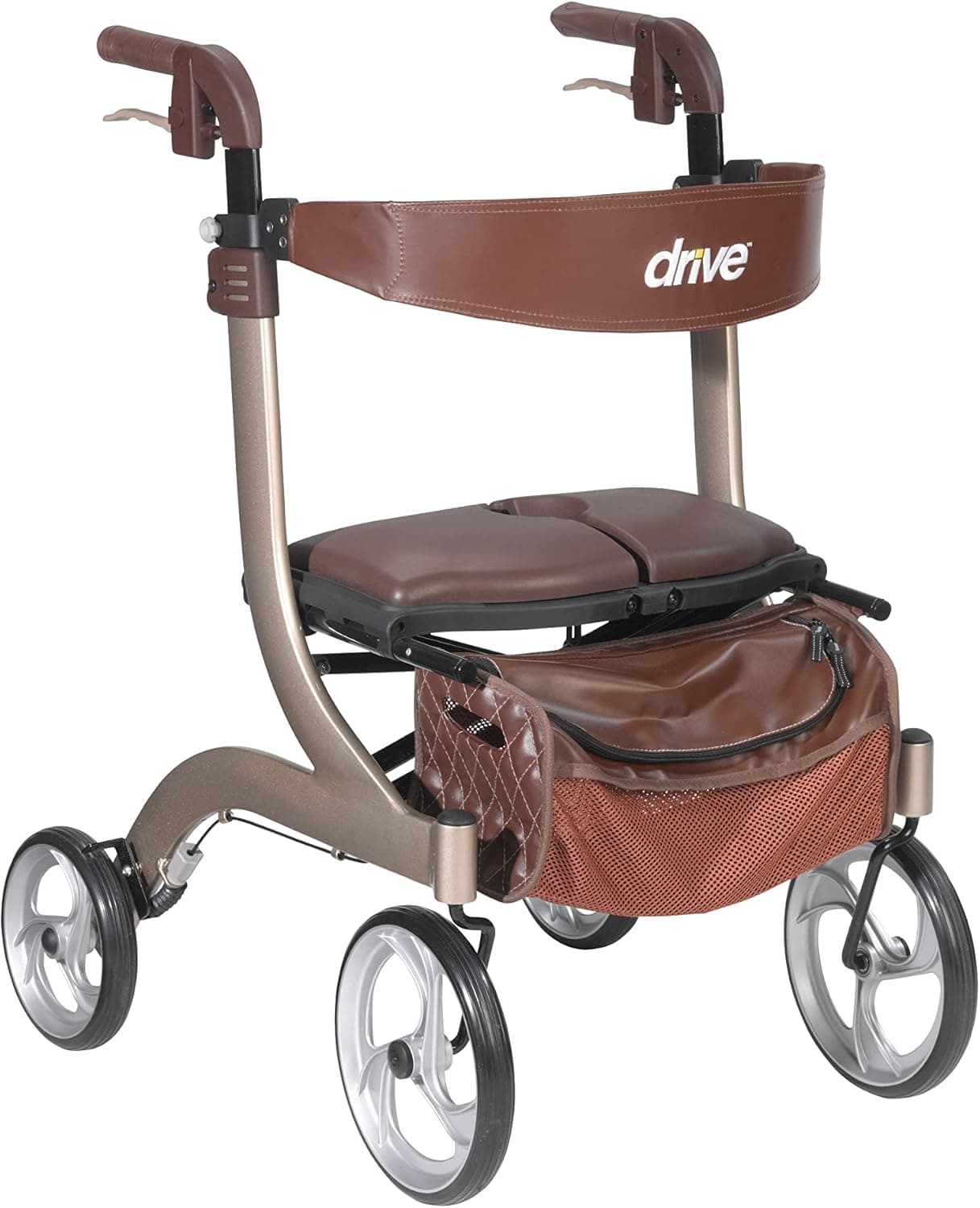
Drive Medical Nitro DLX Foldable Rollator Walker for Seniors & Adults - Hand Activated Brakes - Padded Seat - Storage Bag - 10 Inch Front Wheels - Folding Mobility Aid
Premium Drive rollator option for shoppers who want smoother rolling, better comfort, and larger front wheels than basic seated rollators.
- 10 in front wheels
- hand-activated brakes
- padded seat
Prices and availability can change. Check the latest Amazon listing before you buy.
FAQ
Who should use this upright-walker guide?
It is for buyers trying to decide whether posture support and forearm guidance are important enough to justify comparing upright walkers at all.
How is this page different from the rollator pages?
The rollator pages assume you are already shopping within the general rollator category. This page is earlier in the decision and helps you judge whether the upright support style deserves its own lane.
When should I stop researching upright walkers?
Stop when the added frame size, turning difficulty, or fit sensitivity sounds less realistic than the posture benefit. At that point, another walker type is usually the smarter comparison.