
Narrow Walker Folding Upright Walker - with Removable Armrests, 450LBS Heavy Duty, Width & Height Adjustable Narrow Walkers for Seniors, Disabled, Bariatric vs Drive Medical Nitro DLX Foldable Rollator Walker for Seniors & Adults - Hand Activated Brakes - Padded Seat - Storage Bag - 10 Inch Front Wheels - Folding Mobility Aid
Compare an upright walker versus a rollator walker when posture support, rest breaks, turning ease, and outdoor comfort are all part of the decision.
Use this comparison when you are down to two upright walkers options and need the decision to feel clearer. It focuses on the practical split between Narrow Walker Folding Upright Walker - with Removable Armrests, 450LBS Heavy Duty, Width & Height Adjustable Narrow Walkers for Seniors, Disabled, Bariatric and Drive Medical Nitro DLX Foldable Rollator Walker for Seniors & Adults - Hand Activated Brakes - Padded Seat - Storage Bag - 10 Inch Front Wheels - Folding Mobility Aid, including who each one fits better, where the tradeoffs show up in real use, and which details matter most for daily walking support at home, on errands, and during longer outings.
Mobility comparison boundary
Dimensions, capacity, wheel size, brakes, folding, and fit can be compared factually. They do not establish that a mobility aid prevents falls, restores independence, treats a gait condition, improves recovery, or is medically suitable for a particular person. Confirm fit, adjustment, and appropriate use with the manufacturer and a qualified professional when needed.
listed for portability
Drive Medical Nitro DLX Foldable Rollator Walker for Seniors & Adults - Hand Activated Brakes - Padded Seat - Storage Bag - 10 Inch Front Wheels - Folding Mobility Aid
Better fit for simpler setup, compact storage, and a lower-clutter routine.
listed for home use
Drive Medical Nitro DLX Foldable Rollator Walker for Seniors & Adults - Hand Activated Brakes - Padded Seat - Storage Bag - 10 Inch Front Wheels - Folding Mobility Aid
Better fit for daily readings, easier readouts, and a fuller tracking experience.
Quick buyer summary
Pick based on the routine you want
Narrow Walker Folding Upright Walker - with Removable Armrests, 450LBS Heavy Duty, Width & Height Adjustable Narrow Walkers for Seniors, Disabled, Bariatric leans toward heavier-duty upright support in a narrower footprint. Drive Medical Nitro DLX Foldable Rollator Walker for Seniors & Adults - Hand Activated Brakes - Padded Seat - Storage Bag - 10 Inch Front Wheels - Folding Mobility Aid leans toward users who want a more comfortable seat and smoother rolling.
Evidence check
What must be verified before choosing?
Compare the exact identity scope, current primary source, unresolved fields, dimensions, compatibility, and destination status for both products.
At-a-glance comparison
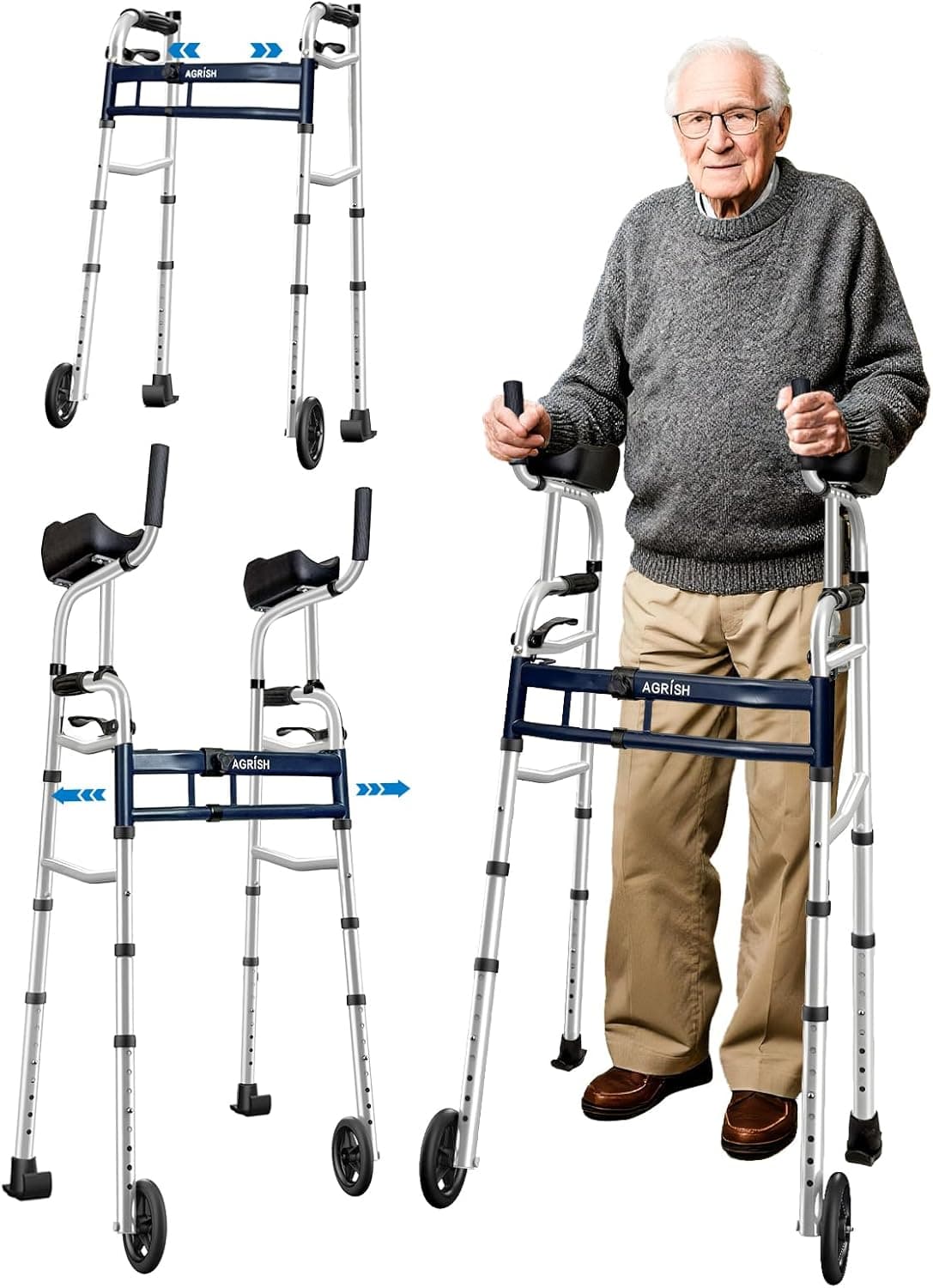
Narrow Walker Folding Upright Walker - with Removable Armrests, 450LBS Heavy Duty, Width & Height Adjustable Narrow Walkers for Seniors, Disabled, Bariatric
Heavy-duty upright walker option for bariatric users or anyone wanting forearm-style support and a narrower footprint.
Generic marketplace identity
Commercial destination and unverified product facts are withheld while research is open.
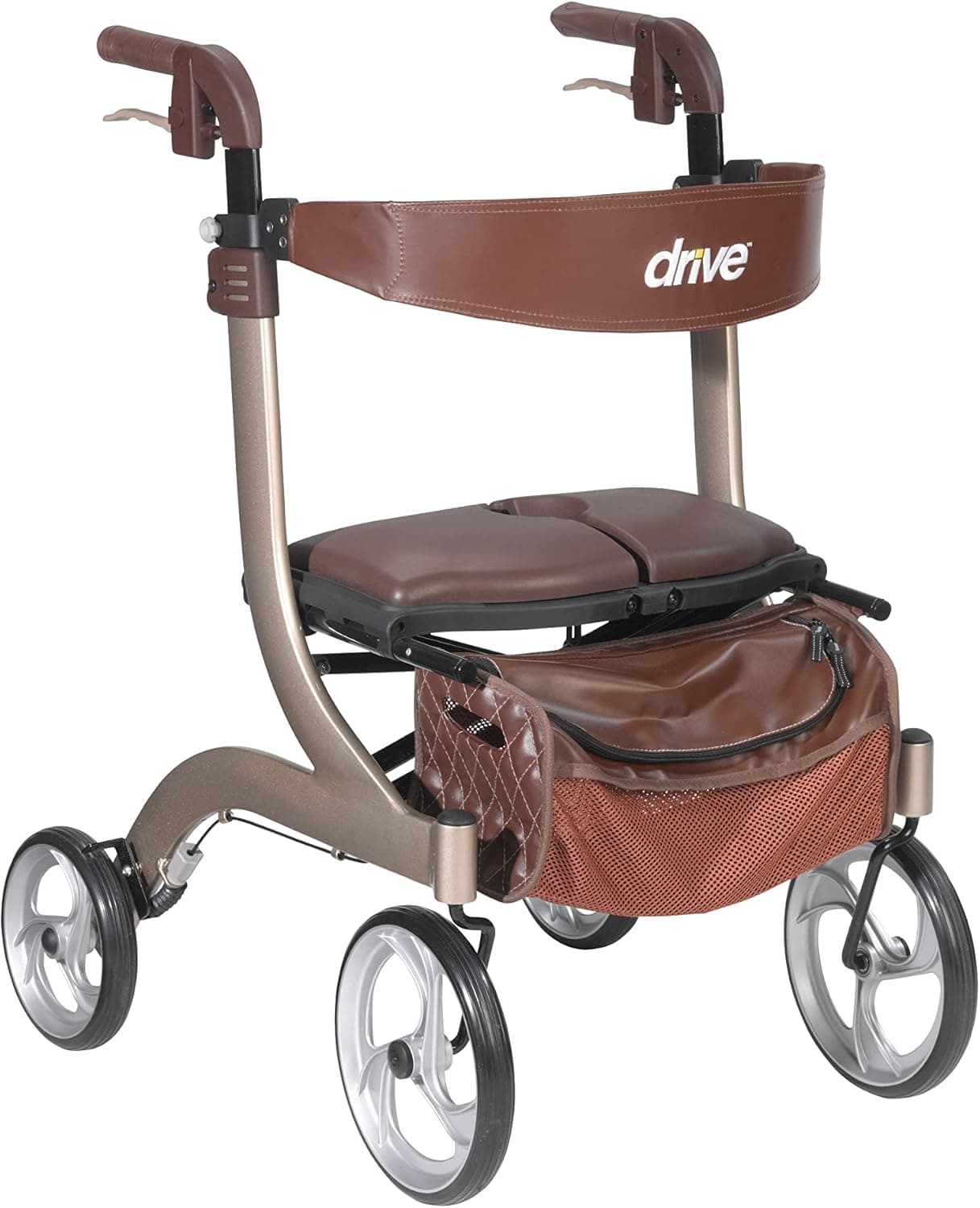
Drive Medical Nitro DLX Foldable Rollator Walker for Seniors & Adults - Hand Activated Brakes - Padded Seat - Storage Bag - 10 Inch Front Wheels - Folding Mobility Aid
Premium Drive rollator option for shoppers who want smoother rolling, better comfort, and larger front wheels than basic seated rollators.
Champagne configuration within Nitro DLX family
Review primary sourceChoose based on how you will use it
heavier-duty upright support in a narrower footprint.
users who want a more comfortable seat and smoother rolling.
Evidence boundaries to verify
How we evaluate both products
HomeMedicalAdvisor may earn commissions when readers buy through qualifying links. As an Amazon Associate, we may earn from qualifying purchases. See full disclosure.
HomeMedicalAdvisor content is informational only and does not replace medical advice, diagnosis, treatment, or guidance from a licensed clinician.
Evidence status for each option
Continue the decision journey
How to Choose Upright Walkers for mobility aids shoppers. Use this guide to narrow fit, support, and space tradeoffs.
Drive Medical Two-Button Folding Walker w/ Wheels - Lightweight Rolling Mobility Support - Adjustable Height - Dual Push-Button Operation - 5 Inch Front Wheels
Drive Medical Two-Button Folding Walker w/ Wheels - Lightweight Rolling Mobility Support - Adjustable Height - Dual Push-Button Operation - 5 Inch Front Wheels
Useful when the next decision is support style, portability, seat needs, or indoor/outdoor handling.
Useful when the next decision is support style, portability, seat needs, or indoor/outdoor handling.
Useful when the next decision is support style, portability, seat needs, or indoor/outdoor handling.
Useful when the next decision is support style, portability, seat needs, or indoor/outdoor handling.
Useful when the next decision is support style, portability, seat needs, or indoor/outdoor handling.
Useful when the next decision is support style, portability, seat needs, or indoor/outdoor handling.
Useful when the next decision is support style, portability, seat needs, or indoor/outdoor handling.
Useful when the next decision is support style, portability, seat needs, or indoor/outdoor handling.
Narrow Walker Folding Upright Walker - with Removable Armrests, 450LBS Heavy Duty, Width & Height Adjustable Narrow Walkers for Seniors, Disabled, Bariatric: at a glance
Generic marketplace identity
Commercial destination and unverified product facts are withheld while research is open.
Drive Medical Nitro DLX Foldable Rollator Walker for Seniors & Adults - Hand Activated Brakes - Padded Seat - Storage Bag - 10 Inch Front Wheels - Folding Mobility Aid: at a glance
Champagne configuration within Nitro DLX family
Review primary sourceConclusion
The upright walker makes more sense when you want forearm support and a more upright stance, while the rollator is usually the better pick for smoother rolling and a built-in seat during longer outings.
Choose Narrow Walker Folding Upright Walker - with Removable Armrests, 450LBS Heavy Duty, Width & Height Adjustable Narrow Walkers for Seniors, Disabled, Bariatric when heavier-duty upright support in a narrower footprint. Choose Drive Medical Nitro DLX Foldable Rollator Walker for Seniors & Adults - Hand Activated Brakes - Padded Seat - Storage Bag - 10 Inch Front Wheels - Folding Mobility Aid when users who want a more comfortable seat and smoother rolling.
FAQ
Who should consider an upright walker instead of a rollator?
An upright walker can be a candidate to verify when forearm support and posture feel are bigger priorities than having a seat. It is often worth comparing if standard handles leave you hunched or uncomfortable.
When does a rollator have the advantage?
A rollator usually has the edge for longer outings, easier rest breaks, and smoother movement on mixed indoor and outdoor routes. Seat comfort and wheel size matter a lot here.