
Bathroom Safety & Accessibility buying guide and product hub
Bathroom safety products help buyers match shower chairs, transfer benches, toilet supports, and wet-space aids to the transfer problem, bathroom layout, and fall-prevention priorities that matter most.
This section is built for people comparing seated bathing, tub-entry, toilet-height, and hand-placement equipment for a specific bathroom layout comparing Shower Chairs, Transfer Benches, and Grab Bars for showers, tub-entry setups, toilet support, and clinician-directed temporary home setups. Start with the options that match your space, support needs, and routine, then narrow by footprint, transfer stability, and grip.
Bathroom support products are tools for seated bathing, tub entry, toileting, and wet-space routines; selection starts with the movement, room layout, and manufacturer-supported setup.
This category is for shoppers comparing shower chairs, transfer benches, grab bars, raised toilet seats, and related supports because the bathroom has become one of the riskiest parts of the routine.
Use this category when balance is less reliable in wet spaces, stepping into the shower or tub feels unsafe, or caregivers need a more predictable transfer setup.
Where to go next
Use the path that matches where you are in the decision
Use this shortlist when the next step is comparing practical bathroom safety products before narrowing further.
Evidence-gated decision path
Choose by transfer, fit, and room layout
Product pages can document dimensions, compatibility, setup, and supported features. They cannot promise fall prevention or replace manufacturer instructions, discharge guidance, or a qualified installer where mounting is involved.
Review seat, footprint, surface, and supported setup details.
Start with tub geometry, transfer direction, and manufacturer-supported fit.
Move to the commercial shortlist only after the product type is clear.
Use canonical product attributes to narrow the live inventory.
Source boundary
Check product documentation before use
Specifications and setup details should trace to the manufacturer or official manual. Product documentation supports device facts; it is not clinical endorsement.
Bathroom Safety route map
Start with the bathroom problem, then choose the right next page
This hub owns the broad Bathroom Safety category path. Use it to separate seated shower support, tub transfer help, grab-bar questions, raised toilet support, caregiver setup, post-surgery constraints, and small-bathroom fit before trusting a product shortlist.
Bathroom safety products may help make a setup easier to use, but they cannot remove fall risk or replace clinician, discharge, manufacturer, caregiver, or qualified installer guidance when those apply.
Use the commercial owner when you are ready to compare broad bathroom safety products and equipment.
Start here when seated shower support is the main question.
Use this guide when tub-wall entry and transfer support are the deciding factors.
Use the role comparison when both product types seem plausible.
Review bathroom, tub, and user-fit measurements before narrowing products.
Use this guide for support placement questions before reviewing product options.
Use this guide when toilet height, stability, and fit are the key constraints.
Start with products that are live in this category
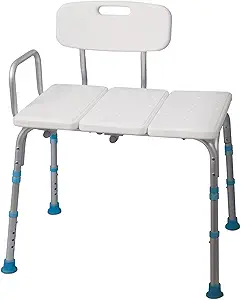
AquaSense Adjustable Transfer Bench
Adjustable transfer bench with a removable armrest for a seated tub-entry setup.
Verify the exact configuration and current destination details before you buy.
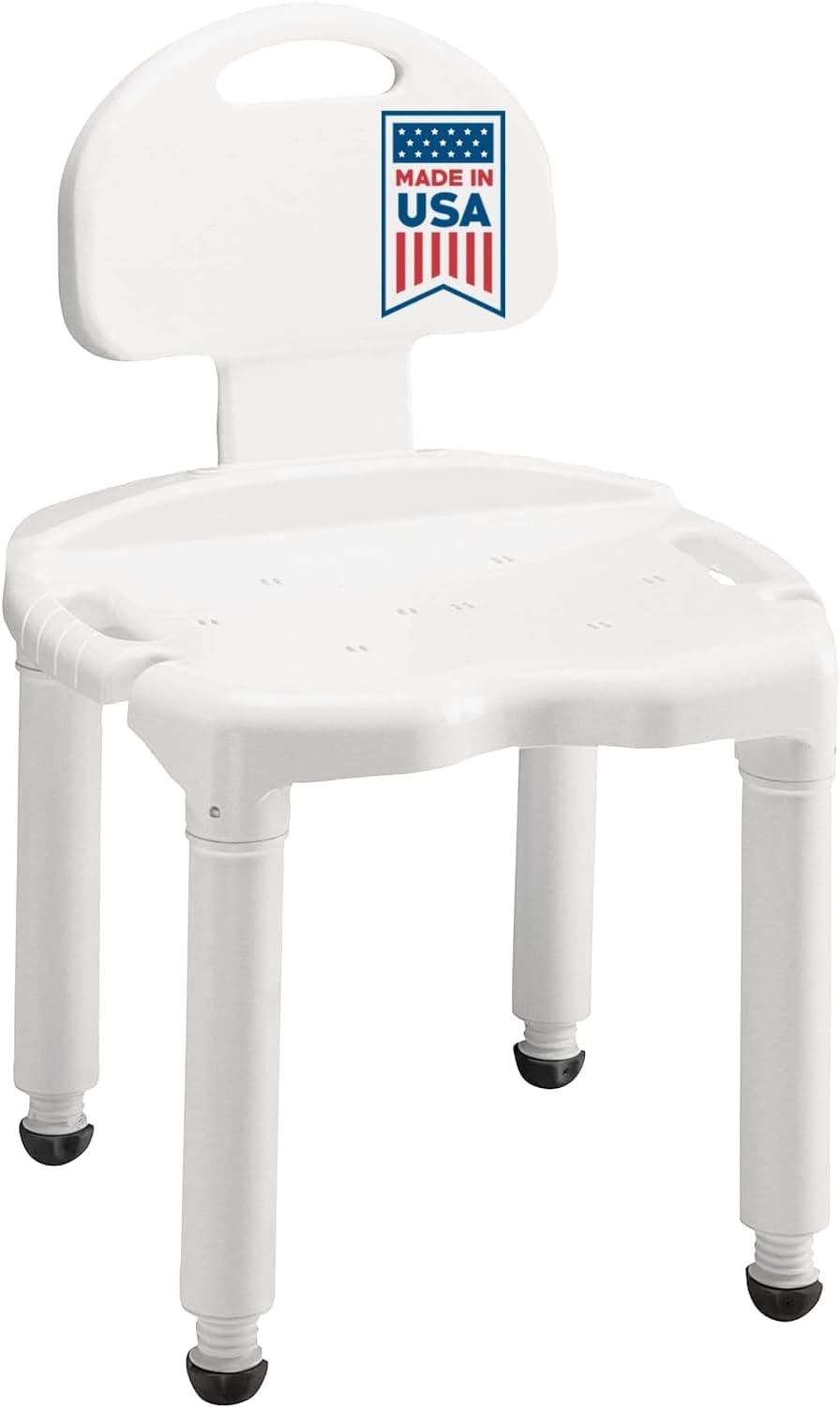
Carex Shower Chair
Adjustable shower chair with a curved seat and built-in handles for a seated bathing setup.
Verify the exact configuration and current destination details before you buy.
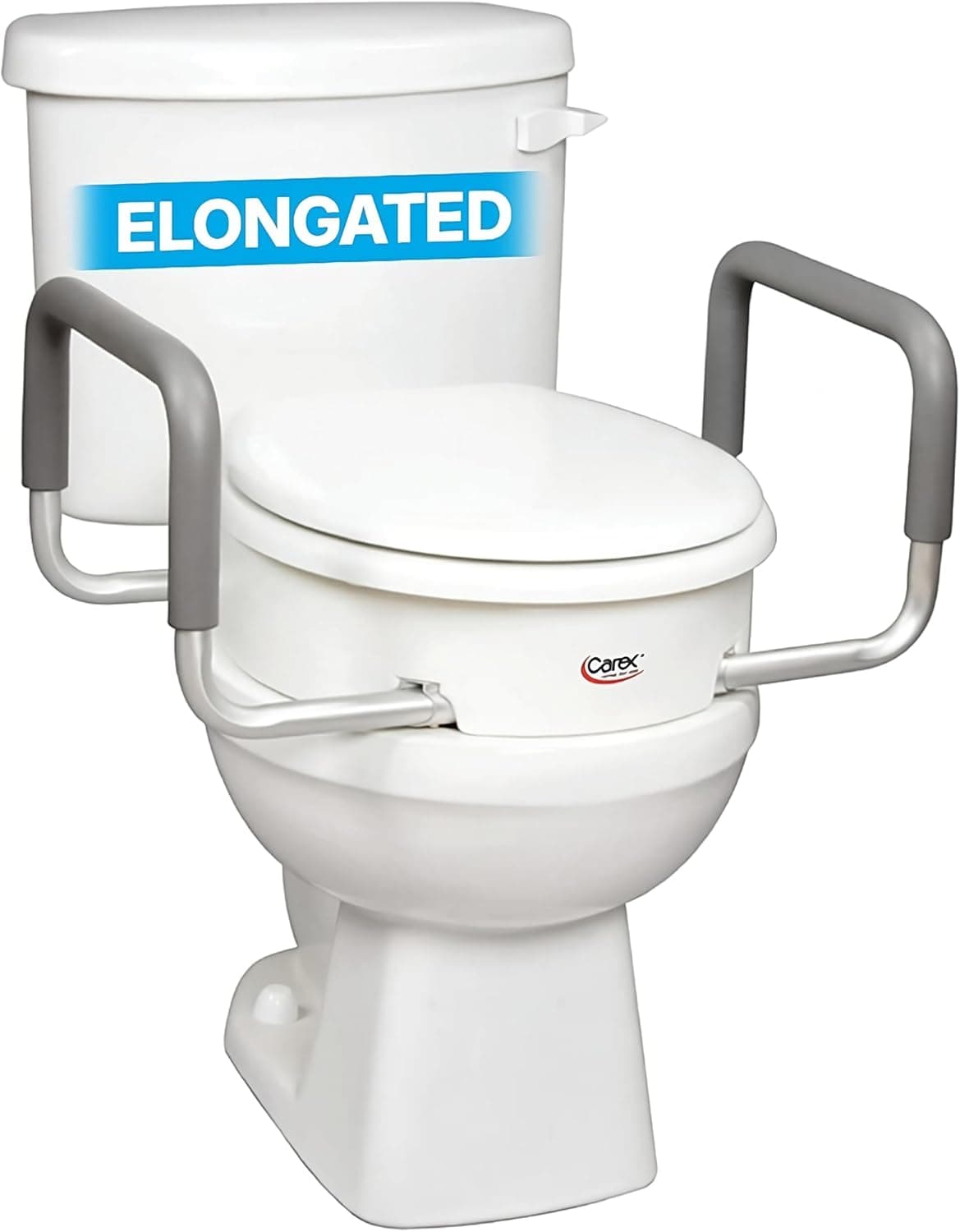
Carex Toilet Seat Elevator With Handles
Toilet-seat elevator that adds documented height and includes padded handles for a toilet setup.
Verify the exact configuration and current destination details before you buy.
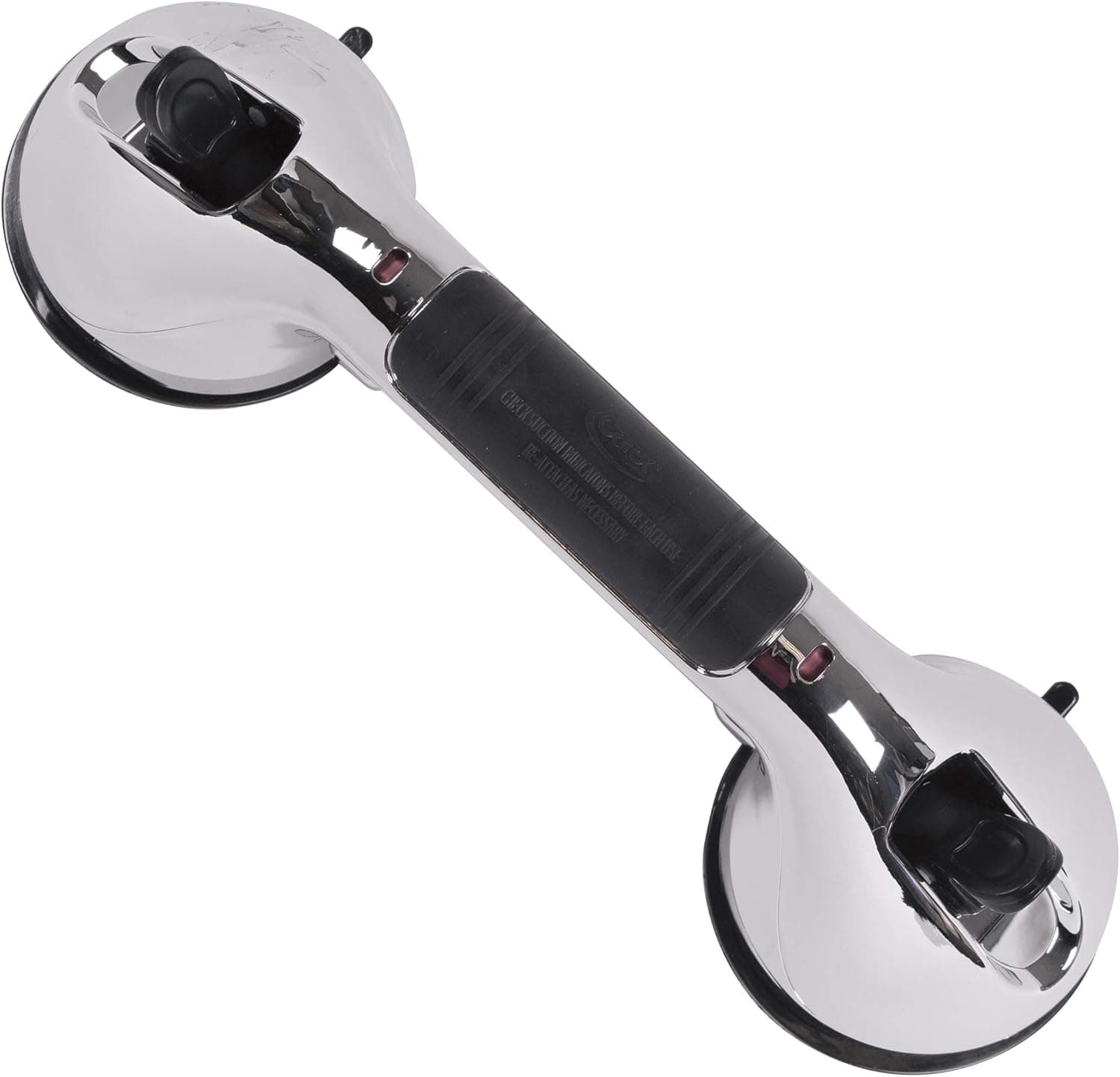
Carex Ultra Grip Grab Bar
Portable suction-mounted grab bar with lock levers and attachment indicators for compatible smooth surfaces.
Verify the exact configuration and current destination details before you buy.
Category overview
What matters most before you compare individual products
Who this category is for
Product types
When to use it
Common needs
Key decision factors
How to choose
Start with the hardest movement in the bathroom: stepping over a tub wall, standing in the shower, lowering onto the toilet, or getting back up safely. Once that is clear, compare footprint, transfer style, grip, and how the product fits the actual layout.
Common use cases
This category is commonly considered for seated shower support, tub-entry equipment, toilet-height support, and caregiver-assisted routines. Follow discharge or clinical guidance when surgery or recovery changes the setup.
What to avoid
Avoid buying a shower chair for a tub-entry problem or a compact product that creates a more awkward transfer. Bathroom safety products work best when they match the exact movement that feels least safe.
When NOT to use this category
Do not stay here if the main issue is general walking support, chair transfers in the living room, or bed-based recovery. Those problems are usually better served by mobility, lift-chair, or bedside equipment pages.
Search-proven paths
Give these live pages a stronger crawl path
These pages have recent Search Console impressions, so they are useful next clicks when the category question is already getting narrower.
Useful when shower, toilet, transfer, or small-bathroom setup details matter most.
Useful when shower, toilet, transfer, or small-bathroom setup details matter most.
Useful when shower, toilet, transfer, or small-bathroom setup details matter most.
Useful when shower, toilet, transfer, or small-bathroom setup details matter most.
Useful when shower, toilet, transfer, or small-bathroom setup details matter most.
Useful when shower, toilet, transfer, or small-bathroom setup details matter most.
Useful when shower, toilet, transfer, or small-bathroom setup details matter most.
Useful when shower, toilet, transfer, or small-bathroom setup details matter most.
Useful when shower, toilet, transfer, or small-bathroom setup details matter most.
Useful when shower, toilet, transfer, or small-bathroom setup details matter most.
If you're not sure what to choose
Use these category-specific cues to narrow the right option faster
If stepping over the tub wall feels risky
a transfer bench is usually worth comparing before a basic shower chair.
If balance is the main concern
start with shower seating, grab bars, and stable non-slip support.
If caregiver help is part of the routine
focus on transfer-friendly products with easier positioning and cleanup.
Compare cleanup
Bathroom and recovery products get used more often when they are quick to wipe down and maintain.
Compare fit in small bathrooms
Tight layouts punish oversized equipment, so measure first and compare leg placement carefully.
If you already know you want a shortlist
Start with a best page when you want the faster commercial path into the strongest current options before you compare every product one by one.
If you need education before you shortlist
Open the guides when the product type is still unclear, when room setup changes the answer, or when you need a narrower angle before trusting a roundup.
Use the finder when you know the use case but not the exact product yet.
See more decision-support pages across the full site.
Compare shower chairs and transfer benches by tub entry, seated bathing needs, bathroom clearance, setup, and support boundaries.
Use this transfer bench measurement checklist to review tub layout, seat size, weight capacity, clearance, and setup boundaries before buying.
Learn how to choose a transfer bench by tub layout, seat size, weight capacity, clearance, adjustability, and transfer support needs.
Compare bathroom safety products for small bathrooms based on footprint, transfer needs, and layout fit.
Review bathroom transfer aids for caregiver support with a focus on assisted shower, tub, and toilet routines.
Learn how to choose a raised toilet seat by transfer height, handle support, and bathroom stability needs.
Compare bathroom safety products for limited balance with a focus on shower seating, grab support, and tub entry stability.
Learn how to choose bathroom grab bars based on movement, stability need, and when a different bathroom aid is a better fit.
Shortlist bathroom safety products for post-surgery recovery based on seated bathing, tub transfers, and toilet support.
Use this shower chair guide to decide when a shower chair is the right bathing aid, which style of seated support fits best, and when to switch to a transfer-bench comparison instead.
Related categories people often compare next
Rollator walkers, standard walkers, upright walkers, walkers with seats, and mobility scooters for safer movement at home and on the go.
Overbed tables, bed rails, bedside trays, and hospital bed mattresses that improve comfort, safety, and daily recovery routines.
FAQ
How do I know if I need a shower chair or a transfer bench?
Start with the transfer itself. If stepping over the tub wall is the main problem, a transfer bench is usually the more useful comparison. If the issue is standing safely while bathing, a shower chair may be enough.
What matters most in a small bathroom?
Footprint, leg placement, and door clearance matter most because a product that blocks the room or crowd the transfer can reduce safety rather than improve it.
Are grab bars enough on their own?
Sometimes, but not always. If fatigue, seated bathing, or tub entry is also part of the problem, a bench, chair, or raised toilet support may still be needed.
What mistake causes the most regret in bathroom safety shopping?
Buying based on category name instead of transfer problem is a common mistake. The safer product is usually the one that matches the exact movement that feels difficult, not the one with the simplest description.
When should a caregiver think differently than an independent user?
Caregivers often need to think more about positioning room, cleanup, and how predictable the transfer feels for both people, not just whether the user can sit or stand with extra support.
HomeMedicalAdvisor content is informational only and does not replace medical advice, diagnosis, treatment, or guidance from a licensed clinician.
If two products still look too close to call
Use the comparison pages after the shortlist is narrower and the remaining question is about tradeoffs, fit, and everyday use between two realistic options.
No comparison pages yet
Start with the product list above, then compare features, size, and support level to build your own shortlist for now.