
Home Monitoring Devices buying guide and product hub
Home monitoring devices help buyers compare blood pressure monitors by cuff fit, readability, memory, and routine fit so the monitor is easier to use consistently at home.
This section is built for households that want home readings to feel simpler, clearer, and easier to repeat comparing Blood Pressure Monitors (Upper Arm), Wrist Blood Pressure Monitors, and Bluetooth Blood Pressure Monitors for routine blood pressure tracking, family use, and easier daily logging. Start with the options that match your space, support needs, and routine, then narrow by cuff fit, screen readability, and memory.
Home monitoring devices in this category are blood pressure monitors designed to make routine readings easier to take, easier to read, and easier to track from home.
This category is for shoppers comparing upper-arm, wrist, Bluetooth, and larger-cuff monitors because they want home readings that feel more repeatable and less frustrating.
Use this category when blood pressure checks are becoming part of the routine, when display clarity or cuff fit matters, or when a household needs simpler tracking over time.
If you already know the Omron comparison set is where your decision is headed, use the Omron Evolv vs 10 Series comparison as the first head-to-head instead of rereading broad category advice.
Where to go next
Use the path that matches where you are in the decision
Use this cautious Omron-focused guide when the next step is comparing home monitor options before choosing a model.
Start with products that are live in this category
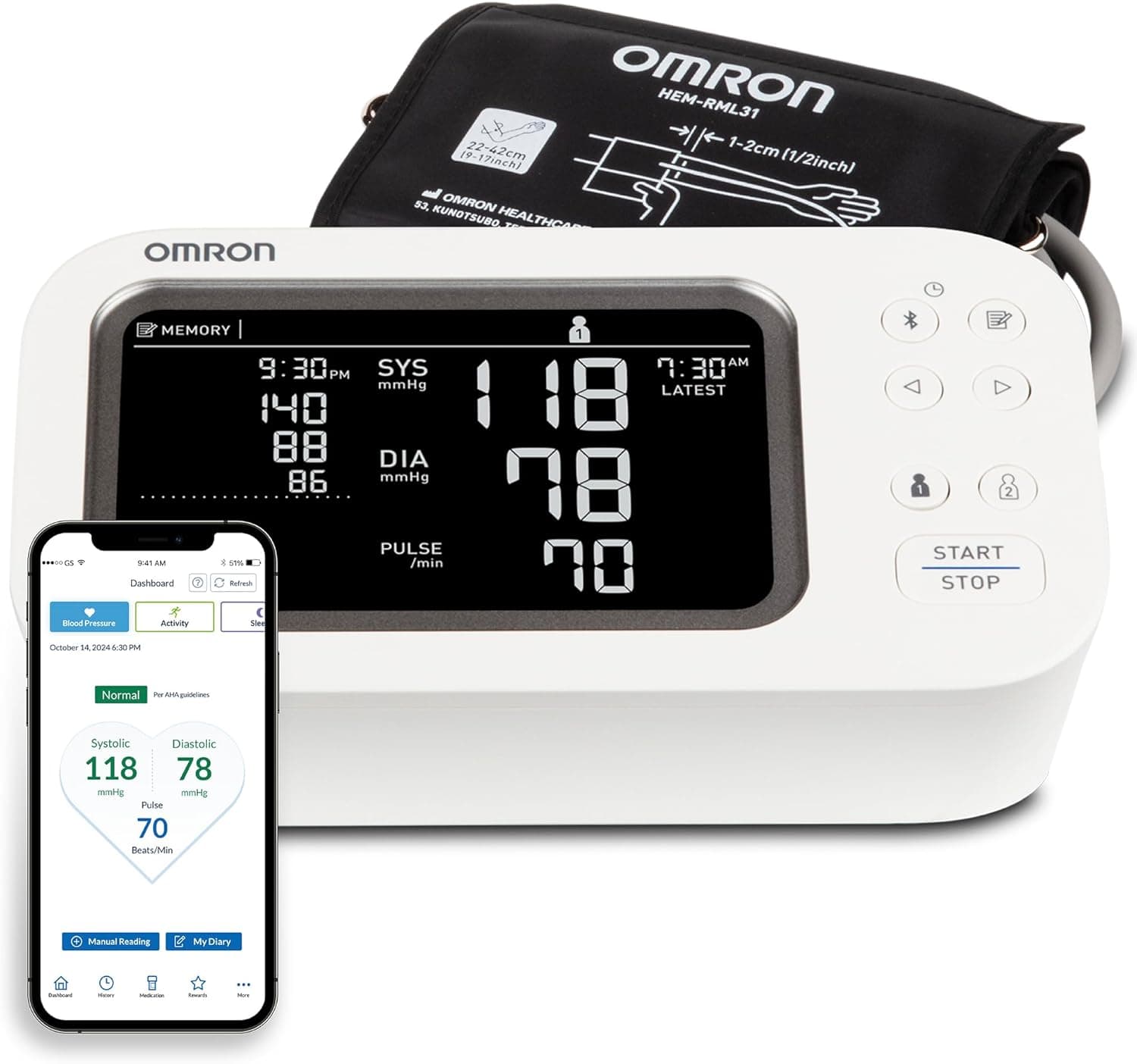
Omron Platinum Upper Arm Blood Pressure Monitor
Premium upper-arm monitor with AFib screening and extended warranty support.
Verify the exact configuration and current destination details before you buy.
Omron 10 Series Upper Arm Blood Pressure Monitor
Upper-arm monitor with AFib screening and dual backlit display for easier daily readings.
Verify the exact configuration and current destination details before you buy.
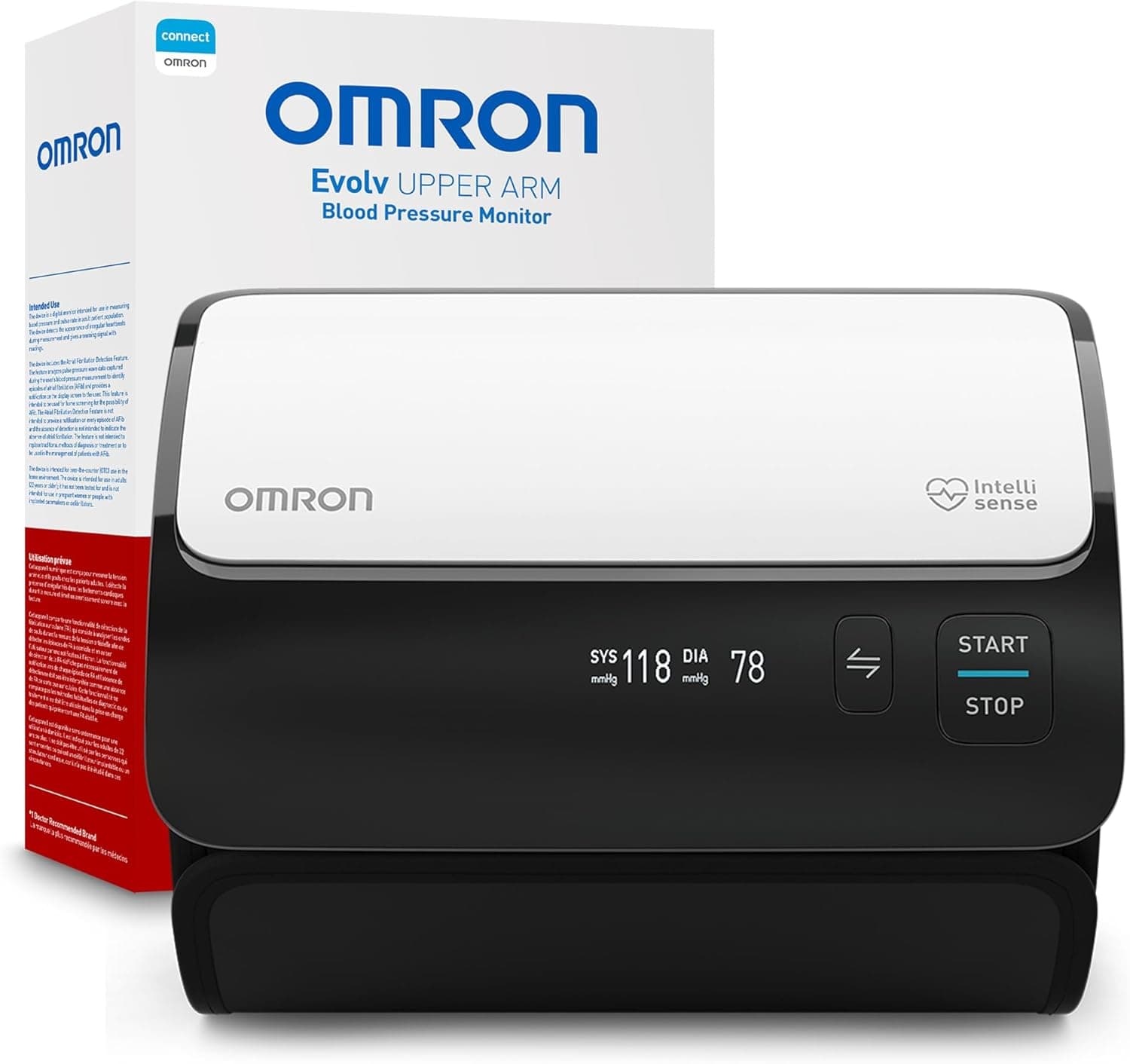
Omron Evolv Wireless Upper Arm Blood Pressure Monitor
Compact all-in-one upper-arm monitor with no tubes and Bluetooth app sync.
Verify the exact configuration and current destination details before you buy.

Withings BPM Connect
Connected blood pressure monitor built for app syncing and long-term cardiovascular tracking.
Verify the exact configuration and current destination details before you buy.
Category overview
What matters most before you compare individual products
Who this category is for
Product types
When to use it
Common needs
Key decision factors
How to choose
Start with the reading routine first. Decide who is using the monitor, how often, and whether the numbers need to be shared or stored over time. Then compare cuff fit, display readability, memory, and whether app syncing solves a real problem.
Common use cases
This category is commonly used for daily home readings, simpler household tracking, large-arm cuff needs, travel setups, and buyers who want a monitor that feels realistic to use without friction.
What to avoid
Avoid buying by feature count alone. A monitor with Bluetooth and multi-user memory can still be the wrong choice if the cuff fit is off or the display is harder to read than expected.
When NOT to use this category
Do not stay here if the real shopping problem is walking safety, shower support, chair transfers, or bedside recovery. This category is specifically about home blood pressure tracking.
Decision paths
Use the guide that matches the next decision
These pages separate the most common next steps so you can move from a broad category into a more specific routine, room setup, or support need.
Compare the best blood pressure monitors for home use by readability, cuff fit, tracking, and everyday setup.
See which Omron monitor fits your home routine before opening a model-by-model comparison.
Use this path when app syncing, tracking, and connected workflows matter most.
Start here when display clarity and simpler reading checks are the priority.
Search-proven paths
Give these live pages a stronger crawl path
These pages have recent Search Console impressions, so they are useful next clicks when the category question is already getting narrower.
Useful when cuff fit, readability, tracking, or a specific monitor model is driving the next click.
Useful when cuff fit, readability, tracking, or a specific monitor model is driving the next click.
Useful when cuff fit, readability, tracking, or a specific monitor model is driving the next click.
Useful when cuff fit, readability, tracking, or a specific monitor model is driving the next click.
Useful when cuff fit, readability, tracking, or a specific monitor model is driving the next click.
Useful when cuff fit, readability, tracking, or a specific monitor model is driving the next click.
Useful when cuff fit, readability, tracking, or a specific monitor model is driving the next click.
Useful when cuff fit, readability, tracking, or a specific monitor model is driving the next click.
Useful when cuff fit, readability, tracking, or a specific monitor model is driving the next click.
Useful when cuff fit, readability, tracking, or a specific monitor model is driving the next click.
Useful when cuff fit, readability, tracking, or a specific monitor model is driving the next click.
Useful when cuff fit, readability, tracking, or a specific monitor model is driving the next click.
Useful when cuff fit, readability, tracking, or a specific monitor model is driving the next click.
Useful when cuff fit, readability, tracking, or a specific monitor model is driving the next click.
Useful when cuff fit, readability, tracking, or a specific monitor model is driving the next click.
If you're not sure what to choose
Use these category-specific cues to narrow the right option faster
If you need the Omron branch sorted before the final head-to-head, open which Omron blood pressure monitor is best to separate Evolv, 10 Series, and Platinum more cleanly.
If cuff fit has been a problem
start by checking large-cuff and wide-range arm options.
If you want the simplest daily routine
prioritize a clear display, easy controls, and reliable memory storage.
If you share readings with family or an app
Bluetooth and multi-user memory may be worth the upgrade.
Compare ease of setup
The best home device is usually the one that feels simple enough to use consistently.
Compare multi-user support
Shared households should check whether the device separates user histories clearly.
If you already know you want a shortlist
Start with a best page when you want the faster commercial path into the strongest current options before you compare every product one by one.
If you need education before you shortlist
Open the guides when the product type is still unclear, when room setup changes the answer, or when you need a narrower angle before trusting a roundup.
Use the finder when you know the use case but not the exact product yet.
See more decision-support pages across the full site.
Learn how to take blood pressure at home with a repeatable routine, better cuff placement, logging tips, and clear guidance on when to contact a health professional.
Learn when home blood pressure readings should prompt a call to your health professional, what symptoms matter, and what information to record before seeking help.
Compare the best Bluetooth blood pressure monitors by app workflow, readability, and connected tracking, including Omron Platinum, Omron Evolv, and Withings BPM Connect.
Find, choose, and compare blood pressure monitors for home by ease of use, accurate tracking needs, cuff fit, Bluetooth, and budget.
Find, choose, and compare Omron blood pressure monitors for home by ease of use, accurate tracking needs, cuff comfort, display, and value.
Learn how to choose a blood pressure monitor for travel by balancing portability, setup ease, and repeat use.
Compare Omron upper-arm monitors against wrist-monitor shopping intent and move toward Platinum or Evolv when home readability or simpler setup matter more.
See when Omron Platinum is worth buying, when Omron Evolv is the smarter pick, and how to judge the premium upgrade honestly.
See whether Omron Platinum or Omron Evolv is the better Omron monitor for home use based on readability, setup simplicity, and long-term value.
Compare the best Omron blood pressure monitors for seniors, led by Omron Platinum for readability and Omron Evolv for simpler setup.
Compare the best easy-to-read blood pressure monitors for home use, led by Omron Platinum, Omron Evolv, and Withings BPM Connect.
Learn how to choose a blood pressure monitor for shared home use with a focus on dual-user memory, app sync, and simple routines.
Learn how to choose an upper arm blood pressure monitor based on cuff fit, readability, and repeatable home use.
Compare blood pressure monitors for travel based on portability, setup simplicity, and repeatable readings away from home.
Compare blood pressure monitors for large arms based on cuff fit, readability, and repeatable home use.
Related categories people often compare next
FAQ
What should I check first on a blood pressure monitor?
Start with cuff fit and display readability. Those two basics usually decide whether a monitor is realistic for repeated use at home.
When is a large-cuff monitor worth prioritizing?
A large cuff is worth prioritizing when standard cuffs feel too tight or do not fit correctly. Poor cuff fit can make the device less useful from the start.
Do most buyers really need Bluetooth?
Not always. Bluetooth is most useful when reading history needs to be shared, stored in an app, or reviewed over time. For many buyers, clear readings and simple memory matter more.
How do I choose between simple daily use and shared-household features?
If one person is using the monitor, simplicity may matter most. If multiple people will use it, clearer user separation and memory support become much more important.
What causes the most buyer regret in this category?
Choosing a monitor that sounds feature-rich but feels annoying to position, read, or repeat is a common reason. A lower-friction monitor is often the better long-term fit.
HomeMedicalAdvisor content is informational only and does not replace medical advice, diagnosis, treatment, or guidance from a licensed clinician.
If two products still look too close to call
Use the comparison pages after the shortlist is narrower and the remaining question is about tradeoffs, fit, and everyday use between two realistic options.
Comparison
Omron Evolv vs Withings BPM Connect in 2026: Which Should You Buy?
Omron Evolv vs Withings BPM Connect is the right comparison when the buyer wants a connected monitor but still needs to choose between Omron's simplest all-in-one setup and Withings' more app-first monitoring routine. Evolv is the stronger fit for easier setup and portability. Withings is the stronger fit for connected history and ongoing app use.
See the feature differences, comfort tradeoffs, and latest pricing context in one place.
Compare side by side
Comparison
Omron Platinum vs Withings BPM Connect in 2026: Which Is Better for Home Monitoring?
Omron Platinum vs Withings BPM Connect is the right comparison when the buyer wants a connected blood pressure monitor but is split between premium Omron home usability and Withings' app-first workflow. Platinum is the stronger fit for easier home readability. Withings BPM Connect is the stronger fit for users who want the readings to flow naturally into a connected routine.
See the feature differences, comfort tradeoffs, and latest pricing context in one place.
Compare side by side
Comparison
Omron Evolv vs Platinum in 2026: Which Should You Buy?
Omron Evolv vs Platinum is the money comparison inside this Omron cluster. Choose Evolv when simple setup, portability, and lower-clutter daily use matter most. Choose Platinum when easier readouts, richer app-backed tracking, and a more premium home-monitoring setup are worth paying for.
See the feature differences, comfort tradeoffs, and latest pricing context in one place.
Compare side by side
Comparison
Omron 10 Series vs Platinum
Omron 10 Series vs Platinum is the right comparison when you already know you want a fuller-featured Omron upper-arm monitor and the remaining decision is value-oriented readability versus a more premium tracking package. Use this page when the question is practical premium value versus Omron's more advanced branch.
See the feature differences, comfort tradeoffs, and latest pricing context in one place.
Compare side by side
Comparison
Omron Evolv vs 10 Series
Omron Evolv vs 10 Series is a direct head-to-head buying page for shoppers who already know they want an Omron upper-arm monitor and need to choose between compact simplicity and a more feature-heavy home setup. Evolv is usually the better buy when low-clutter portability matters most, while 10 Series is the stronger pick when readability, AFib screening, and a fuller at-home monitoring experience matter more.
See the feature differences, comfort tradeoffs, and latest pricing context in one place.
Compare side by side